Cornerstone Centennial "Nuggets"
Come and dig into some "Nuggets" as we mark the 100th anniversary of the laying of our cornerstone! Our volunteers have been mining our parish history and sharing some of the riches they've uncovered in our weekly E-pistle email newsletter and in church bulletins. As they're posted, we'll also share them in the space below.
Learn more about all the Cornerstone Centennial celebrations here.
Nugget for January 18, 2026
Getting Started with the Building
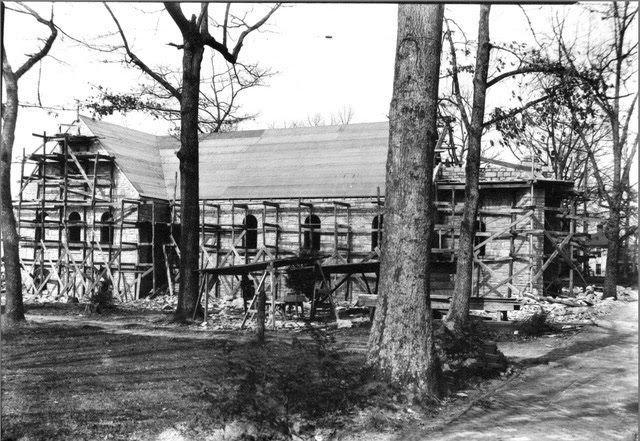
In early January 1926, vestry decided to erect a grey stone structure, which, including the furnishings and all expenses, would not exceed $25,000. There was $5,250 insurance money, Bishop Horner gave $3,300, the rectory was mortgaged, and a campaign was launched immediately to raise the balance.
According to an article in the Brevard News (1/14/1926), “It is the understanding that all contributions given by members of the church be voluntary and not raised through the means of bazaars, church suppers, etc.” Stone masons were Joe and "Doc" Wright from Hendersonville who then trained several local men including Fred Mills, a Brevard native and African American, who later became a stone mason for projects in the Rosenwald Community and the stone wall around Brevard College.
Three members of the 1926 vestry have descendants who are current members of our parish: William Breese (great-uncle of Peggy Bridges) donated the stone from his quarry; Royal Morrow (grandfather of Mac Morrow, David Morrow, and Mary Rose) served as chair of the building committee and on-the-job supervisor; and A.H. Kizer (father of Dottie Marcinko and great grandfather of Marty Kizer and Melanie McKague).
Nugget for January 30, 2026
The St. Philip's Rectory
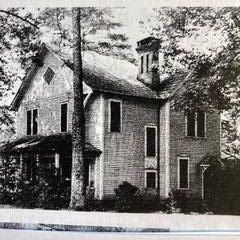
The Rev. Harry Perry became rector on June 1, 1925, during a period of growth for both the town and church. He, his wife Dorothy, and their three daughters arrived just 6½ months before the fire that destroyed the Victorian wooden St. Philip's church. The rectory became the temporary home for services, Sunday School, and the Perry family.
The first services in the new stone church were held February 14-15, 1928, when the Convocation of Asheville met in St. Philip's chapel, the only part of the church that was completed. That June, St. Philip's moved from mission to parish status with the vestry holding the property deed. Even with the ongoing construction, parish business was conducted and during this time parish membership approached 100, offerings were good, and the congregation accepted the proposed 1928 Book of Common Prayer—though they were less enthusiastic about Perry's introduction of red cassocks for acolytes.
Then the Depression hit. The rectory mortgage was foreclosed, forcing the Perry family into modest rentals, including one where the church negotiated rent from $25 to $15 monthly. At times, Senior Warden Smedberg paid the rector's salary from personal funds. Despite these hardships, the parish—especially its women—persevered. On May 7, 1939, the new stone church was consecrated, debt free.
Nugget for February 13
St. Philip's Women in the Depression Years
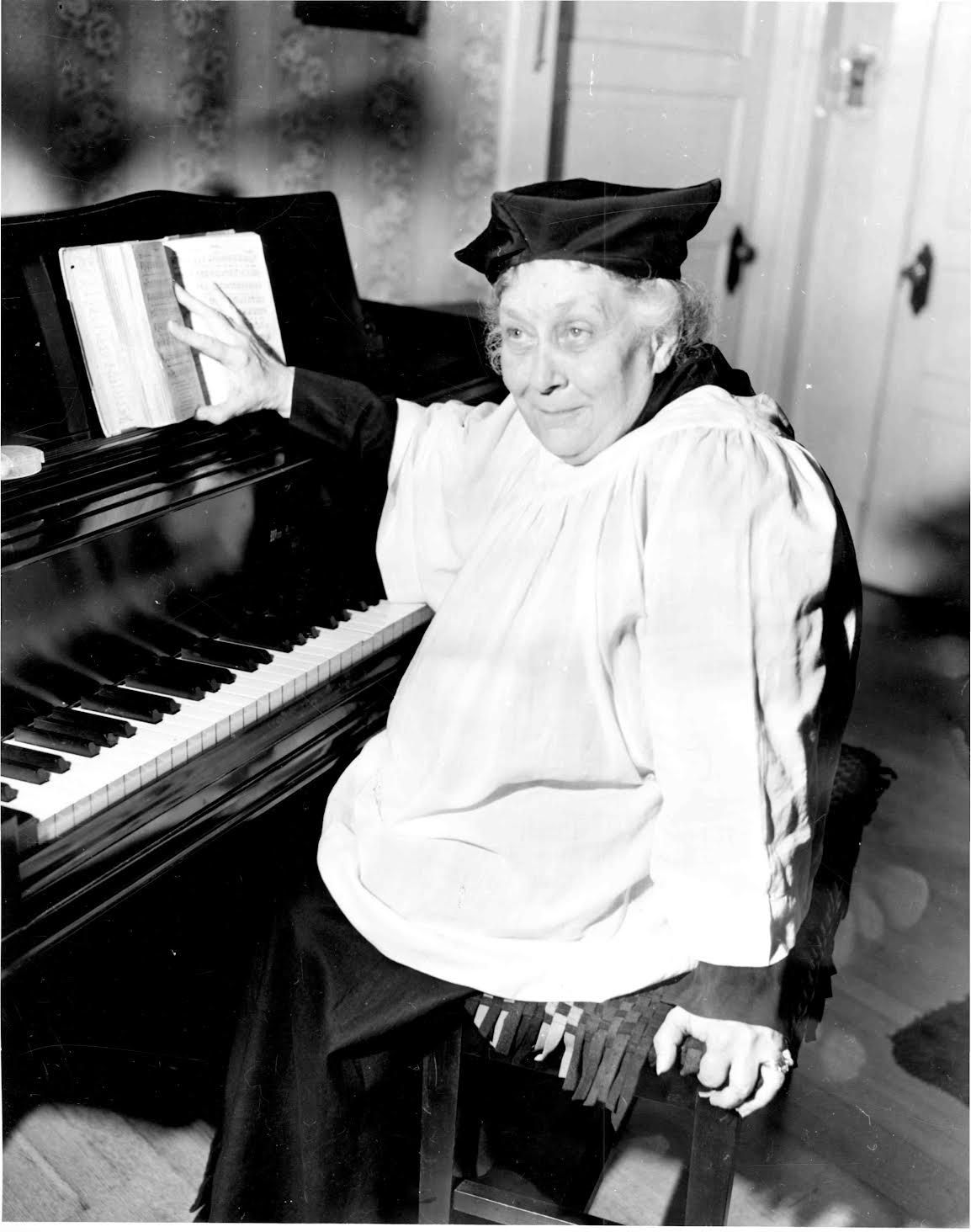
Photo: "Miss Molly" Allison dressed in traditional choir vestments including the required choir hat.
The women of St. Philip’s were not allowed to serve on vestry until 1936, but that did not stop the Women’s Auxiliary and Guild from providing leadership of the church’s financial, spiritual, and outreach efforts.
They ignored the vestry’s ban on using bazaars and church suppers to raise money for the new building, choosing to host numerous fundraising events that were regularly featured in the Brevard News between 1926-1939. These included Christmas and July Bazaars held at various businesses in town and the Franklin Hotel across the street; a series of Salmagundi Parties (a dish with everything thrown in) with 35-cent admission; Wednesday night church suppers that provided food and fellowship; and sponsorship of “Heaven Bound,” a popular African American folk drama presented by 30 Sylva singers and advertised as a fundraiser for the church. Mrs. R.I. Gash even sold copies of her personal cake recipe!
Simultaneously, they served the broader community by sending clothing boxes to Episcopal missions across the country and sponsoring Miss Rennie, a missionary to China. Members cooked and served lunches to underprivileged school children in March of 1933. They taught Sunday School and led the choir. They visited the sick and newcomers and held all-day prayer vigils on holy days. They truly “carried the freight” during these difficult years, and we are indebted to these women for their perseverance, stewardship, and service to others.
Nugget for February 27
We're Still Using the Same Altar
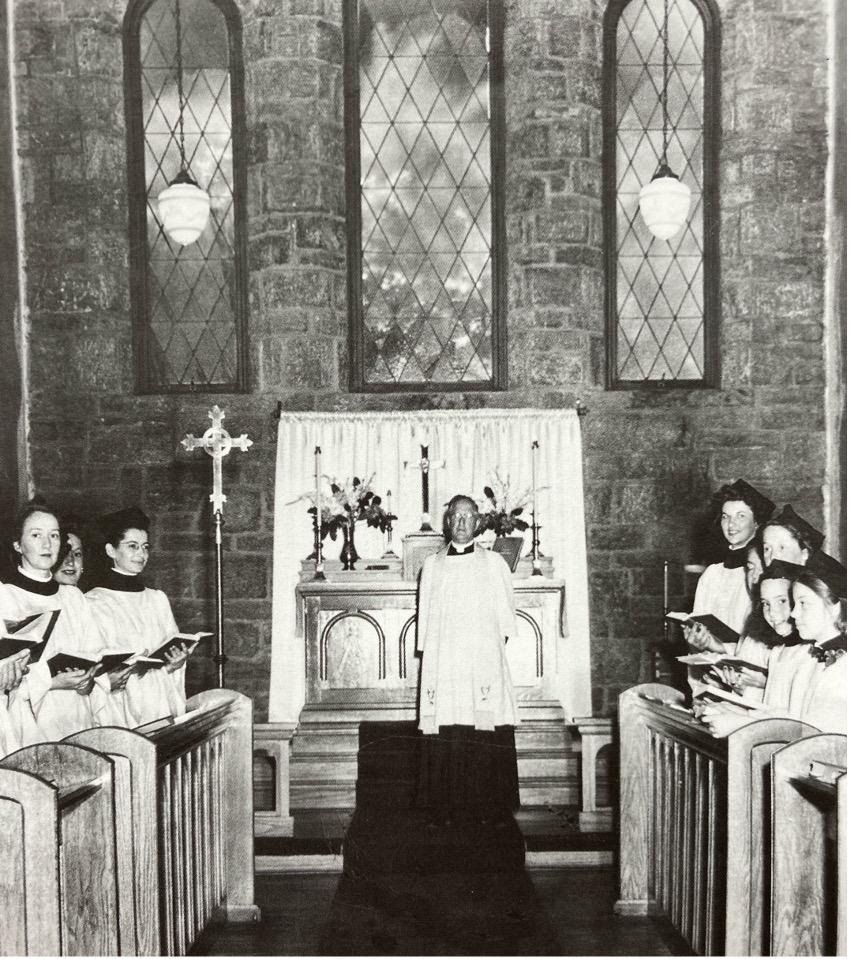
Harry Perry served as rector of St. Philip’s for 23 years, from 1925 to 1948, and helped lead the church through times of growth, economic challenges, and change. During his ministry, Mary Lock Sledge and Sherril B. Verner became the first women to serve on the vestry in 1936 and The St. Philip’s Young Peoples Society (later EYC) began in 1938. In 1939, the new stone church was consecrated, a milestone in the life of the parish.
In the photo, you see the Rev. Perry standing before the altar built by local woodworker Felix Norton. The altar frontal has three arched panels echoing the sanctuary windows, with the Greek letters Alpha and Omega, reminding us that Christ is the beginning and the end. The center panel is a Christogram, with a cross and the letter “S,” representing the name of Jesus and reminding worshipers of Christ’s presence in the Eucharist. The processional cross beside the altar is still carried today, and the light fixtures now hang in Miller Hall.
You will notice the altar is against the back wall of the sanctuary; it was moved to its present location during renovations completed in 2006. The Rev. Perry retired in 1948 and died in 1956. In remembering him, Bishop Horner said “It was during his rectorship that the present church in Brevard was built, and it will ever stand in testimonial to his leadership.” The Perrys are buried at St. Paul’s-in-the-Valley cemetery.
Nugget for March 6
The Red Doors
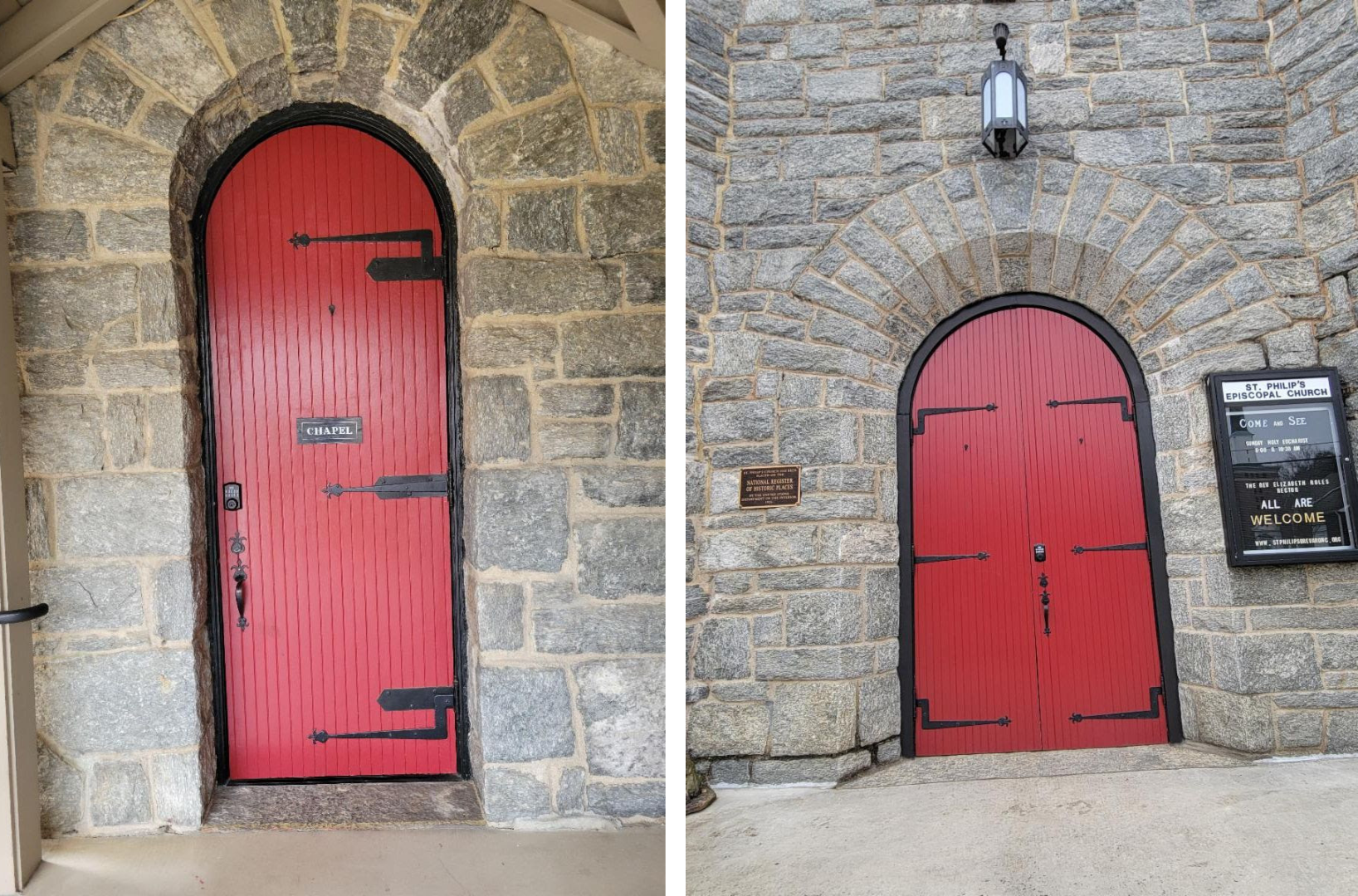
On March 14, 1954, a called Vestry meeting was held to discuss the red paint that had been placed on the Church and Chapel doors. Objections were raised by Mr. David Ward. The color red, while meant to represent Christ’s blood, might also be interpreted as “shedding of blood,” or violence which some might find unwelcoming.
Miss Elizabeth Davis gave a brief explanation for the red paint. The color was selected to harmonize with the church’s structure and had no religious significance. The doors were badly in need of repair and varnish or paint was needed. Traditionally, red doors signified the church as a place of safety and open to all. In some Episcopal churches, it might also indicate the mortgage had been paid in full.
In this case, only a few Vestry members had been made aware of the red paint. Although the painters were allowed to finish their work, any further decisions concerning the doors would be heard by the entire Vestry. Seventy-two years later, the red paint is still on the Church and Chapel doors.
Nugget for March 20
1940s-1950s – The Women of the Church
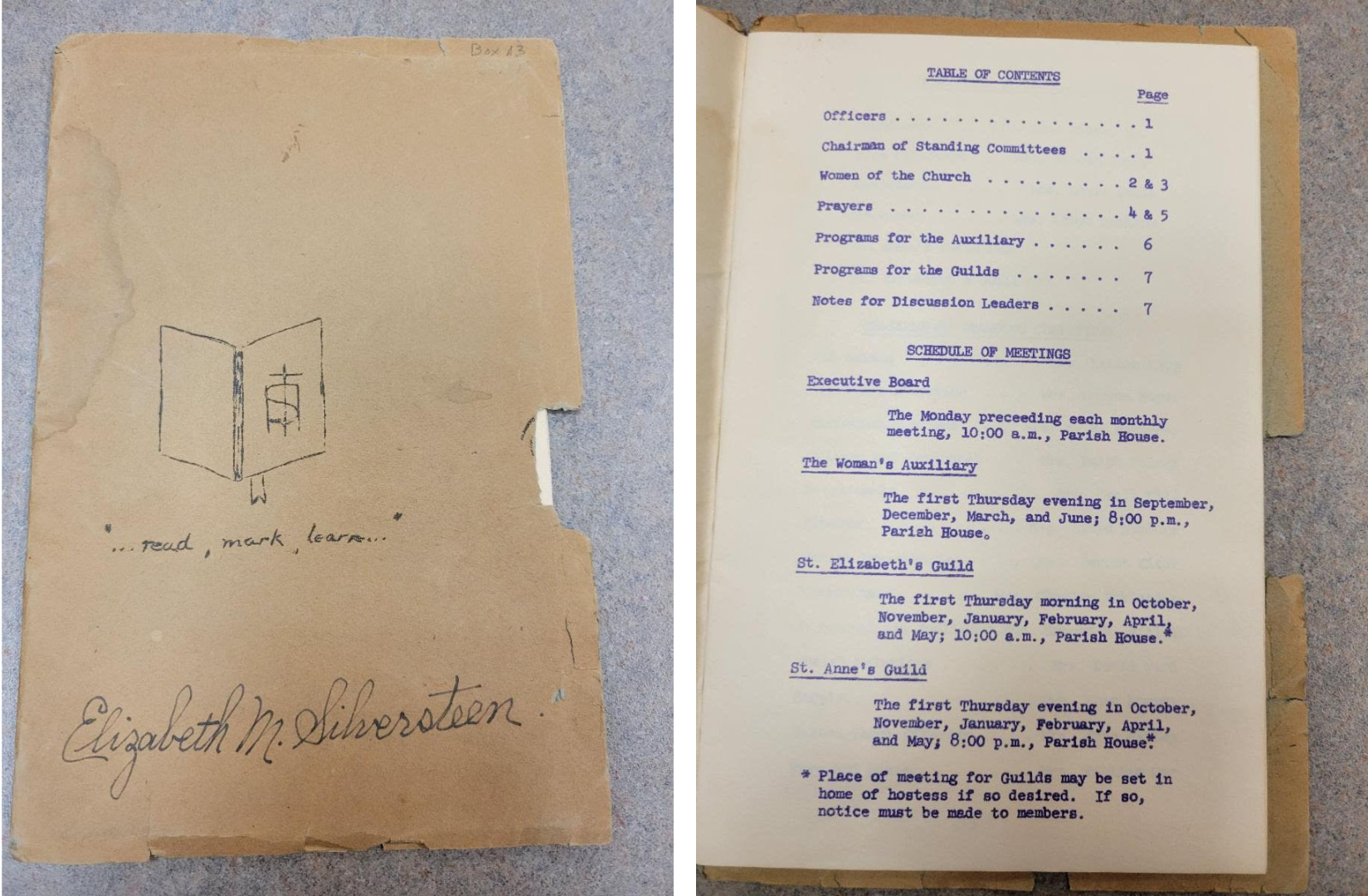
Photos: Cover of the Women's Auxiliary and Guilds' Handbook, and Table of Contents for the Women's Auxiliary and Guilds Handbook
During the 1940s and early 1950s, St. Philip’s supported a Women’s Auxiliary (later known as the Episcopal Church Women—ECW) and three Guilds—St. Anne’s, St. Elizabeth’s, and the Altar Guild.
The Auxiliary’s purpose was to support the Parish’s mission and outreach. Besides promoting spiritual growth of its members, the auxiliary provided educational resources for women and children. St. Philip’s Auxiliary had 69 active members. Twenty members were paid.
St. Anne’s Guild, a fellowship group, focused on service and community support. They often participated in charitable activities. St. Elizabeth’s Guild was traditionally for older women who could sew, cook and tend to the sick. They engaged in volunteer opportunities within the church and community. The Altar Guild was charged with preparing the altar and worship space for services. They were responsible for keeping liturgical items clean (at times making/sewing the church’s linens). St. Philip’s Altar Guild had forty-two (42) members. Within the three guilds, seven (7) members were paid.
Among the St. Philip’s Women’s activities, they: paid the coal bill, reorganized and ran Sunday School classes, hosted bridge and canasta parties to raise funds for a new Parish House, painted and hung wallpaper, made clothes for needy children in Brevard, paid $20 per year for lunches for needy children, called on the sick, hosted Coffee Hour during the summer, served coffee and dessert to the Men’s Club, and purchased dishes and tableware for a complete church set.
Nugget for March 27
1940s-1950s – The Men of the Church
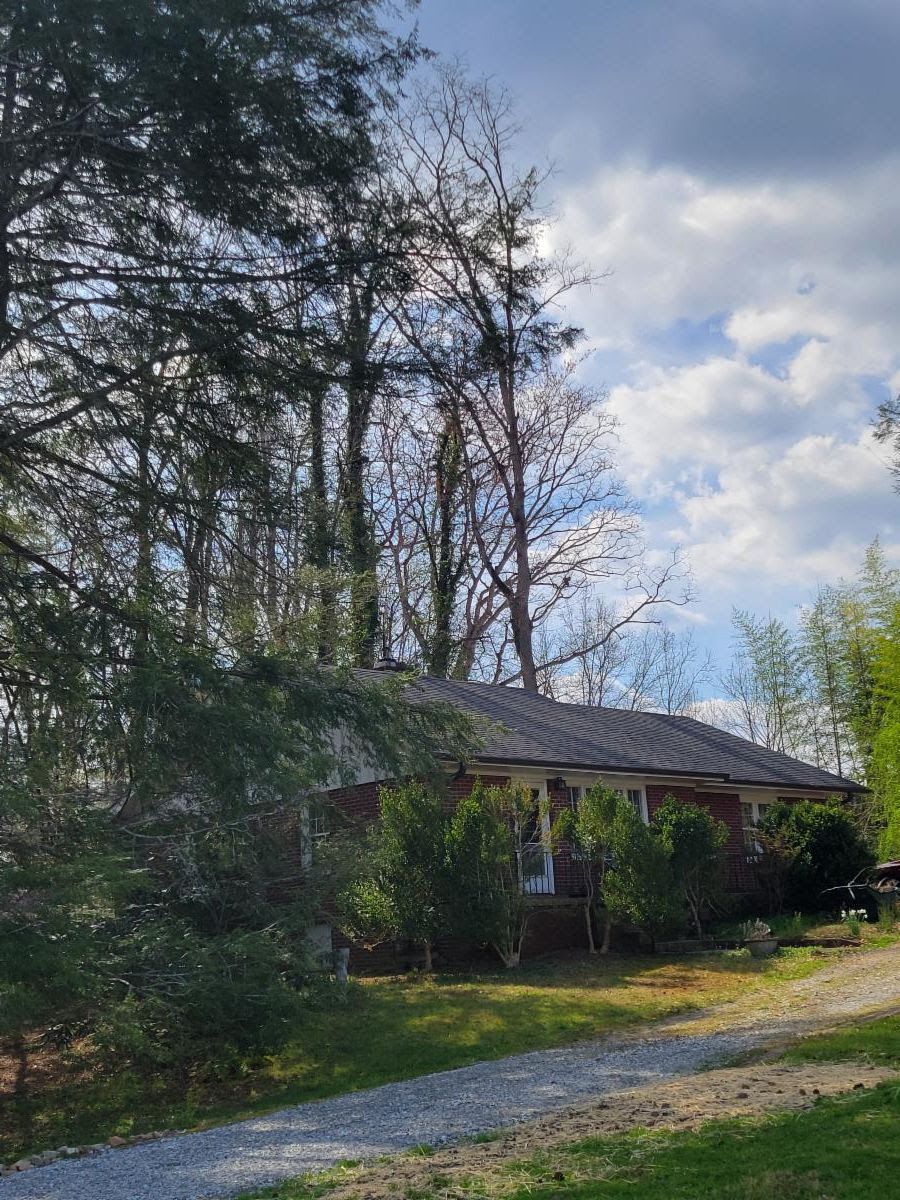
Photo: Bromfield Property and Little Rectory, built 1951.
During this time, the men of the church were involved in financial and legal matters as well as church repairs. They led, with the Rector, the Every Member Canvass. The Rector distributed pledge cards at the campaign’s beginning. The men visited those who had not pledged or were behind in their pledges. It was the Treasurer’s responsibility to account for all expenditures. The men of the Vestry worked to balance the budget. The first full financial statement was included in the April 4, 1948, Vestry Notes, written and submitted by Mr. Alex Kizer, Treasurer.
The first major financial and legal matter occurred in 1950. The Vestry received a letter from Mr. J. S. Bromfield offering a lot for a rectory site, to be an Easter offering from the Bromfield family, whose property bordered the church. The letter stated the lot deed would be executed when $10,000 was obtained in a Rectory Fund. The letter also stated the property should be used for church purposes or the title would revert to the Bromfield heirs or Thompson Orphanage. A campaign was initiated which included the congregation, friends of St. Philip’s, summer visitors and August loose plate collections. By December 1950, the $10,000 sum had been reached. Building began in January 1951.
Church repairs were an ongoing job for the men. The coal furnace was inefficient, requiring much attention. The furnace grates failed. During wartime, parts were difficult to obtain. After two years consideration (price and parts’ availability), an oil furnace was purchased. Shrubbery and ivy had to be trimmed and trees cut. The Men’s Church Repair Committee built a walkway for the choir in 1947.
In 1954, Deacon Paul Ritch, serving as Rector, organized a St. Philip’s Men’s Club. The church women prepared dessert and coffee for their regular meetings. They began by cutting trees on the church property. A men’s “Welcoming Group” greeted visitors. They planned stew suppers. It might be noted that only men served as ushers and lay readers. Although a few women were elected after 1936, all men communicants were eligible for Vestry election.
Nugget for April 17
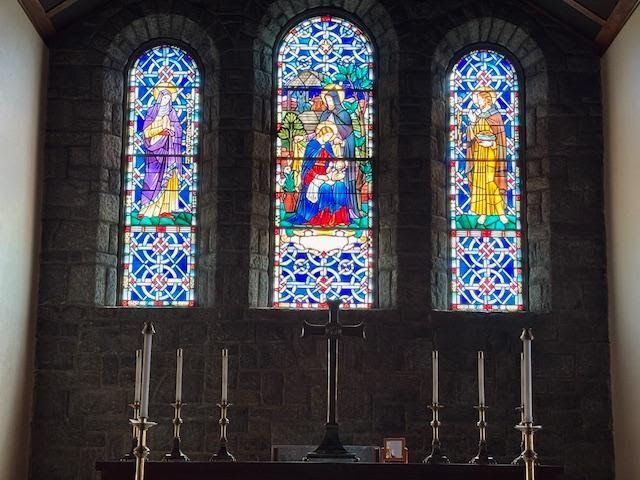
Stained Glass in St. Philip's Church
Photo: Altar windows in St. Philip's
The stained-glass windows at the altar were given in 1957 as a memorial to Elizabeth Mount Silversteen by her husband Joseph Silversteen and three daughters. Mr. Silversteen was generous in his contributions during a time when the parish needed his financial assistance.
The central panel is the Nativity; the Gospel side panel honors the parish patron St. Philip; and the epistle side panel honors St. Elizabeth, the namesake of Elizabeth Silversteen. St. Elizabeth was the mother of John the Baptist. She conceived at a very old age, and her greeting to her cousin Mary—‘Blessed art thou among women, and blessed is the fruit of thy womb’—has become one of the great salutations of the Christian church. The fish emblem reminds us of St. Philip’s role in feeding the multitudes. Dominating the whole window is the deep blue glass and symbol of the circle. In religious symbolism, blue signifies heavenly love and truth. The circle is the emblem of eternity, without beginning or end. These windows are a great introduction to our Cornerstone Centennial Evensong on April 19, to be presented by the St. Philip’s Chancel Choir.
Do you want to know more about these beautiful stained-glass windows? Please join us for the Cornerstone Centennial Celebration event on May 8th from 5-7 p.m. for “A Fresh Look,” highlighting our art collection introducing a brief description on the stained-glass windows. A variety of art will be displayed, followed by a reception in Miller Hall, our large upstairs meeting room.